뉴스
절묘한 장인정신이 담긴 우수한 제품입니다.

 sales@wxdoka.com
 +86-13861753508
 중국 우시 빈후 구 후다이 타운 샹거 로드 18호


는 Caterpillar HEUI —유압 작동식 전자 제어식 유닛 인젝터—시스템은 1990년대와 2000년대의 대형 디젤 연료 분사 기술의 가장 중요한 발전 중 하나를 나타냅니다. 분사 압력을 생성하기 위해 고압 연료 펌프에 의존하는 기존 기계식 분사 시스템과 달리, HEUI 시스템은 고압 엔진 오일을 유압 매체로 사용하여 분사기를 작동시키며 전자 제어로 분사 시기, 기간, 실린더별로 압력을 제어합니다. 이 아키텍처를 통해 Caterpillar 엔지니어는 당시의 기존 캠 구동 펌프 시스템이 생산할 수 있는 것보다 훨씬 더 높은 28,000psi를 초과하는 분사 압력을 달성하여 광범위한 작동 조건에서 더 미세한 연료 분무, 더 완전한 연소, 더 낮은 미립자 배출 및 향상된 연비를 가능하게 했습니다.
는 HEUI concept was co-developed by Caterpillar and Navistar International, with both companies independently applying the technology to their own engine families during the 1990s. Caterpillar's implementation became the foundation of their highly regarded 3126, C7, and C9 engine series, as well as selected versions of the 3406E and C-10 and C-12 platforms. These engines powered an enormous range of applications including on-highway trucks, school and transit buses, construction equipment, marine propulsion systems, and stationary power generation units, making the HEUI system one of the most widely deployed advanced injection technologies in the commercial diesel market.
HEUI 시스템의 작동 원리를 이해하는 것은 이러한 엔진을 유지 관리, 진단 또는 재구축하는 모든 사람에게 필수적입니다. 이 시스템은 연소실에 연료를 공급하는 데 필요한 압력을 생성하는 방식에 있어 기존의 기계적 제어식 분사 및 커먼 레일 설계와 근본적으로 다릅니다.
는 HEUI system uses a dedicated high-pressure oil pump—driven directly off the engine—to pressurise engine lubricating oil to between 500 and 3,000 psi within a high-pressure oil manifold, often referred to as the "rail" even though it carries oil rather than fuel. This pressurised oil is routed to each unit injector through dedicated oil passages in the cylinder head. Inside each injector, the high-pressure oil acts on a hydraulic amplifier piston that multiplies the oil pressure by a ratio of approximately 7:1 to generate the actual fuel injection pressure at the injector tip—which can reach 23,000 to 28,000 psi in operational conditions. The oil actuation pressure is continuously variable and is controlled by the engine ECM through an Injection Actuation Pressure Control Valve (IAPCV), allowing the system to modulate injection pressure dynamically in response to load, speed, and emissions requirements.
각 HEUI 인젝터에는 엔진 ECM이 분사 이벤트를 시작하고 종료하기 위해 전원을 공급하는 솔레노이드 작동식 제어 밸브가 포함되어 있습니다. ECM이 인젝터 솔레노이드에 전류 펄스를 보내면 제어 밸브가 열리고 고압 오일이 유압 증폭기 챔버로 들어갈 수 있습니다. 증폭기 피스톤이 하강하면서 인젝터 배럴의 연료를 분사 압력으로 가압합니다. 그러면 니들 밸브가 시트에서 떨어져 나가고 정밀하게 측정된 연료 충전량이 연소실로 전달됩니다. ECM이 솔레노이드 전류를 종료하면 제어 밸브가 닫히고 오일 압력이 떨어지며 니들이 제자리로 돌아가고 주입이 종료됩니다. 현재 펄스의 지속 시간은 분사되는 연료의 양을 직접 제어하는 반면, 엔진 사이클 내의 펄스 타이밍은 분사 타이밍을 제어합니다. 이러한 완전한 전자 제어를 통해 파일럿 분사, 분할 분사 및 배출 표준을 충족하고 연소 품질을 최적화하는 데 중요한 기타 고급 분사 전략이 가능합니다.
는 HEUI injection system was deployed across a substantial range of Caterpillar engine families spanning nearly two decades of production. Technicians and fleet operators working with these engines should be familiar with which specific configurations use HEUI injection, as diagnosis and repair procedures differ significantly from common-rail and mechanical injection engines.
| 엔진 모델 | 변위 | 주요 애플리케이션 | 생산 연도 |
| 애벌레 3126 | 7.2L 인라인-6 | 중형 트럭, 버스, RV | 1997년~2003년 |
| 캐터필러 C7 | 7.2L 인라인-6 | 중형 트럭, 스쿨버스, 건설 | 2003년~2009년 |
| 캐터필러 C9 | 8.8L 인라인-6 | 대형 트럭, 대중교통 버스, 해양 | 2004년~2010년 |
| 캐터필러 3406E | 14.6L 인라인-6 | 클래스 8 트럭, 산업용 | 1993년~1999년 |
| 캐터필러 C-10 / C-12 | 10.3L / 11.9L 인라인-6 | 클래스 8 고속도로용 트럭 | 1996년~2004년 |
는 3126 and its successor, the C7, are the most numerically common HEUI-equipped engines encountered in service, particularly in school bus, transit bus, and medium-duty truck fleets. The C9 represents a heavier-duty application of the same core technology, while the larger 3406E, C-10, and C-12 engines applied HEUI principles to Class 8 on-highway applications where high injection pressure was essential for meeting the progressively tightening emissions standards of the late 1990s and early 2000s.
는 HEUI system's dependence on engine oil condition and pressure introduces failure modes that are not present in fuel-pressure-only injection systems. Many of the most common and costly HEUI failures are directly traceable to oil maintenance practices and the condition of the high-pressure oil circuit components. Understanding these failure patterns allows technicians to diagnose problems more efficiently and helps fleet operators implement preventive maintenance practices that extend system service life.
는 high-pressure oil pump is the most mechanically stressed component in the HEUI system and is a common failure point, particularly on high-mileage engines or those that have experienced oil degradation or neglected oil change intervals. The pump uses a series of precision-machined pistons and valves to generate the high oil pressures required for injector actuation, and these components are extremely sensitive to oil contamination, viscosity breakdown, and extended drain intervals. A worn or failing high-pressure oil pump manifests as low actuation pressure, which the ECM attempts to compensate for by demanding higher IAPCV duty cycles—a condition visible through diagnostic software such as Caterpillar ET (Electronic Technician). Symptoms include hard starting, especially when cold, rough running, misfires under load, and in severe cases complete engine shutdown as actuation pressure falls below the minimum threshold required to open the injector control valves.
개별 HEUI 인젝터 고장은 마일리지가 높은 엔진에서 흔히 발생하며 일반적으로 실린더별 불발, 거친 공회전 또는 하나 이상의 실린더에서 과도한 연기로 나타납니다. 인젝터 솔레노이드 권선에서는 인젝터가 올바르게 작동하지 못하게 하는 개방 회로 또는 단락 오류가 발생할 수 있습니다. 거의 0에서 28,000psi 사이의 반복적인 압력 사이클을 견뎌야 하는 인젝터 본체 내의 내부 O-링과 씰은 결국 피로해지고 누출되어 오일 작동 회로와 연료 회로 사이에 내부 교차 오염을 일으킵니다. 인젝터 씰 고장으로 인한 연료 시스템의 오일 오염은 특히 심각한 결과입니다. 이는 연료 이송 펌프를 손상시키고 연소실에 오일을 유입시켜 눈에 띄는 푸른 연기와 촉매 변환기 또는 최신 사양 엔진의 디젤 미립자 필터 손상을 유발할 수 있기 때문입니다.
는 IAPCV is an electrically controlled pressure-regulating valve that modulates the oil pressure supplied to the injectors in response to ECM commands. Contamination of the valve seat or spool by oil degradation products, metal particles from a worn pump, or sludge from infrequent oil changes can cause the valve to stick, leak internally, or respond sluggishly to ECM commands. A faulty IAPCV typically produces erratic actuation pressure readings, hunting or surging at idle, and inconsistent power delivery under varying load conditions. Because the IAPCV is a relatively affordable component compared to the injectors or the high-pressure oil pump, it is often the first replacement part specified during HEUI system diagnosis when actuation pressure anomalies are detected.
낮은 오일 레벨, 오일 펌프 입구 스크린 누출, 고압 오일 매니폴드 균열 또는 외부 오일 쿨러 누출로 인해 발생하는 고압 오일 회로의 공기 혼입은 폭기 오일이 유압을 일관되게 전달할 수 없기 때문에 진단하기가 더 어려운 HEUI 문제 중 하나입니다. 그 결과 예측할 수 없는 분사 동작, 실린더 사이를 이동하는 명백한 불발, 안정된 값을 유지하지 않고 불규칙하게 변동하는 작동 압력 판독값이 발생합니다. 오일 통기를 진단하려면 공기 유입 지점에 대한 고압 오일 회로를 주의 깊게 검사해야 하며, 과충진 및 언더필 조건 모두 HEUI 오일 회로의 통기를 촉진할 수 있으므로 항상 엔진 오일 레벨 및 상태 점검을 포함해야 합니다.
효과적인 HEUI 시스템 진단에는 올바른 진단 도구와 구성 요소를 교체하기 전에 오일 회로 문제를 연료 회로 문제 및 전자 제어 문제와 분리하는 체계적인 접근 방식이 모두 필요합니다. 다음 진단 순서는 HEUI가 장착된 Caterpillar 엔진의 모범 사례를 반영합니다.
는 HEUI system's sensitivity to oil condition makes engine oil maintenance the single most impactful preventive measure available to operators of HEUI-equipped Caterpillar engines. Many of the most costly HEUI failures encountered in the field—worn high-pressure oil pumps, stuck IAPCVs, and internally contaminated injectors—can be directly attributed to extended oil change intervals, use of incorrect oil specifications, or failure to address oil leaks and consumption promptly.
HEUI 장착 엔진에 대한 주요 예방 유지 관리 권장 사항은 다음과 같습니다.
는 Caterpillar HEUI system occupies a significant position in the history of diesel engine development as a transitional technology that bridged the gap between mechanically governed injection and the fully hydraulic common-rail systems that dominate modern heavy-duty diesel engines. By demonstrating that electronically controlled variable-pressure injection was achievable and commercially viable in production engines, the HEUI platform helped establish the performance and emissions standards that common-rail injection systems subsequently built upon and exceeded.
Caterpillar가 2010년 북미 고속도로 트럭 엔진 시장에서 철수했음에도 불구하고(부분적으로는 후처리 시스템으로 US EPA 2010 배기가스 배출 표준을 충족하는 데 드는 비용 증가로 인해) 수백만 대의 HEUI 장착 3126, C7, C9 및 대구경 엔진이 전 세계적으로 트럭, 버스, 건설 장비 및 해양 응용 분야에서 활발히 사용되고 있습니다. 이러한 엔진을 유지 관리하는 기술자, 차량 관리자 및 자영업자에게는 HEUI 시스템의 작동 원리, 일반적인 고장 모드, 올바른 진단 및 유지 관리 관행에 대한 철저한 이해가 장비 신뢰성, 운영 비용 및 서비스 수명 연장에 직접적인 영향을 미치는 필수 지식입니다.

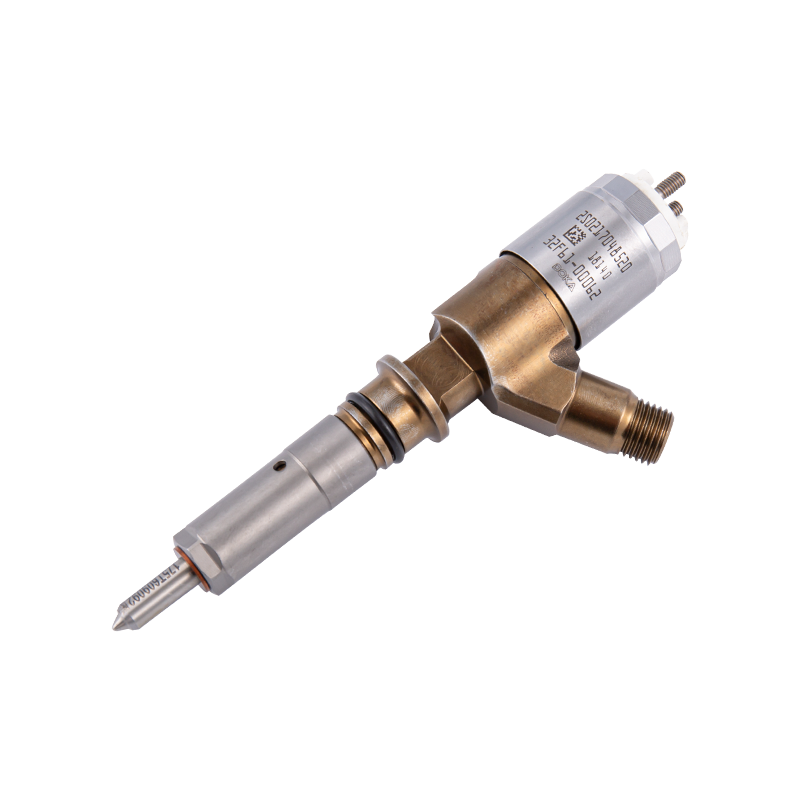
Caterpillar HEUI 시리즈 연료 인젝터 CAT C6-212-3460과 호환되며, 중소형 건설 기계 및 발전기 세트 분야에서 흔히...
See Details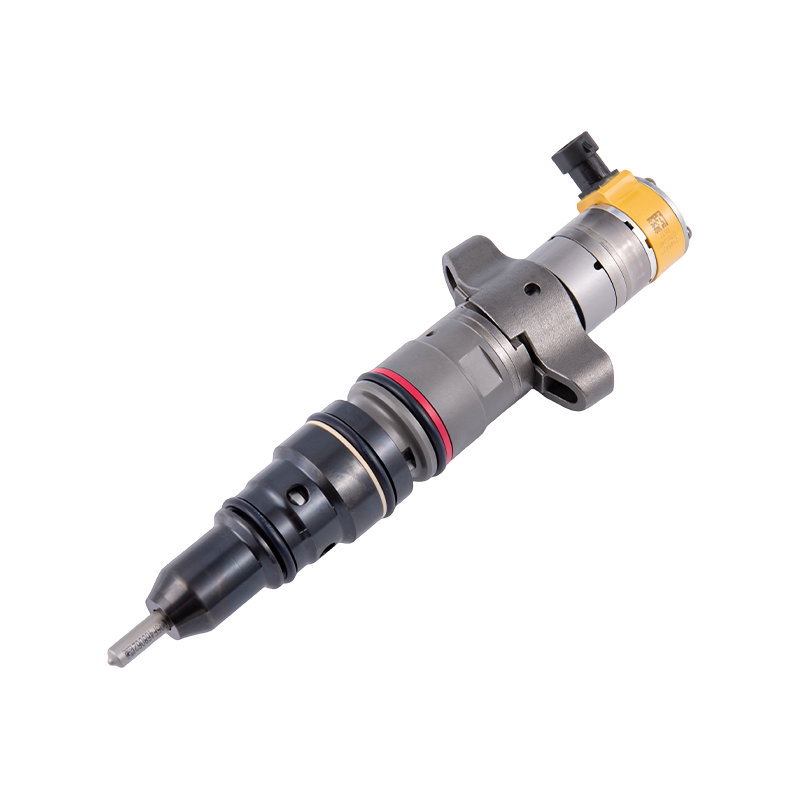
인젝터는 Caterpillar HEUI 시리즈 인젝터 CAT C9-387-9433과 호환되며 Tier 4 Final 배기가스 배출 표준에 ...
See Details
C12/C13 디젤 엔진에 적합한 Caterpillar CRI/CRS 시리즈 연료 인젝터 C12-350-7555와 호환됩니다. 이는 선박 ...
See Details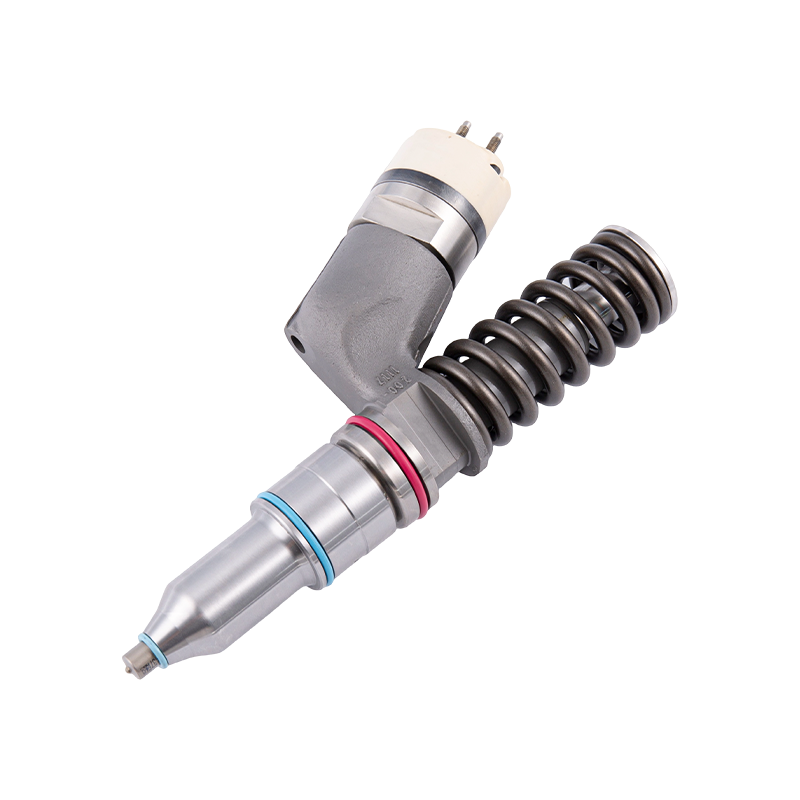
Caterpillar CRI/CRS 시리즈 연료 인젝터 CAT C15-253-0615와 호환되며 Tier 2 배출 표준에 따라 C15/C1...
See Details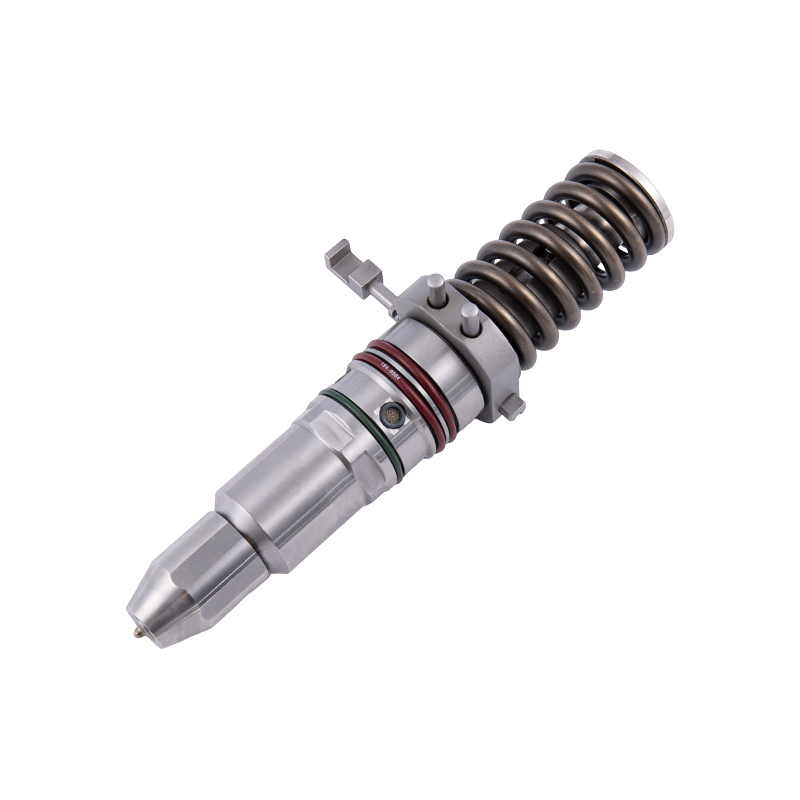
Caterpillar CRI/CRS 시리즈 3500A-111-3718과 호환되는 연료 인젝터는 3500A/B 시리즈 디젤 엔진(예: 초대형...
See Details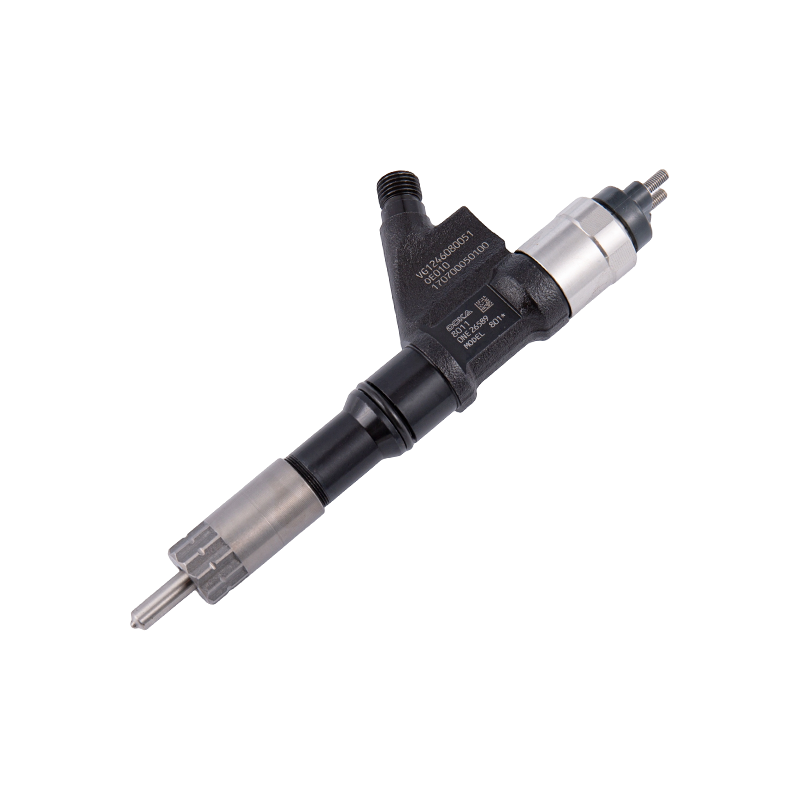
G2 시리즈의 DENSO 095000-8011과 호환되는 연료 인젝터는 Mitsubishi 6M60 및 Caterpillar C9.3 발전...
See Details